Tariffs, Fuel Costs and Rates Squeeze US Businesses
American manufacturers, retailers and transportation firms face mounting pressure from tariffs, rising fuel prices and higher borrowing costs.
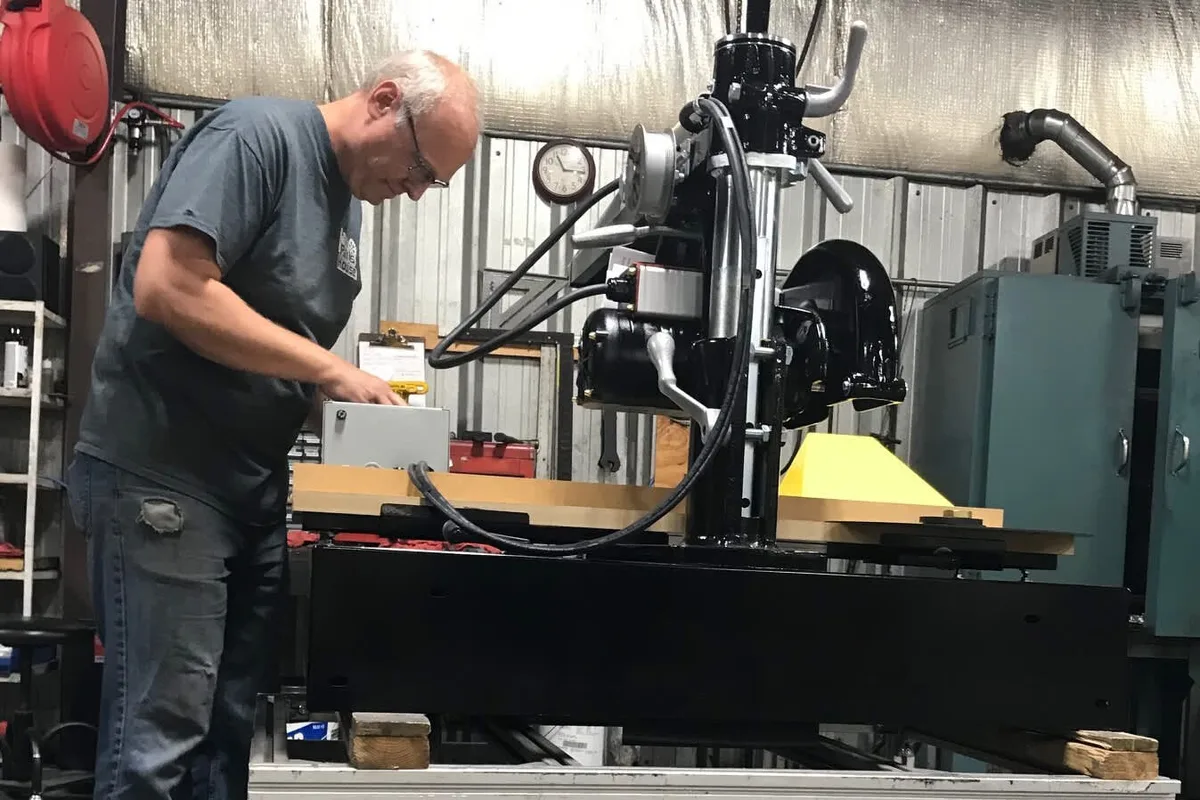
American companies are navigating a convergence of financial pressures — tariffs, elevated fuel costs and higher interest rates — that is straining operations across multiple sectors, according to reports from businesses describing conditions as "awful."
Manufacturers and auto suppliers are among the hardest hit, as import tariffs drive up the cost of raw materials and components. For companies that depend heavily on global supply chains, the added duties translate directly into margin compression, forcing difficult choices between absorbing costs or passing them on to customers.
Read more Homoglyph Attacks Use Fake Characters to Trick Email Users →
Retailers face a parallel squeeze: tariff-driven merchandise costs are colliding with consumers already sensitive to inflation, limiting the ability to raise prices without risking lost sales. At the same time, transportation and logistics businesses are contending with fuel prices that inflate every mile of delivery, eroding profitability on contracts often written before costs spiked.
Higher interest rates compound the strain across all sectors. Businesses that rely on credit lines to manage inventory or fund capital expenditures are seeing borrowing costs climb, reducing flexibility precisely when operational expenses are rising. The combination leaves little margin for error, particularly for smaller firms without the cash reserves to weather a prolonged period of elevated costs.
The breadth of industries affected suggests the pressures are systemic rather than isolated, raising questions about how long companies can absorb the headwinds before broader economic consequences emerge. Continue reading at Business News.